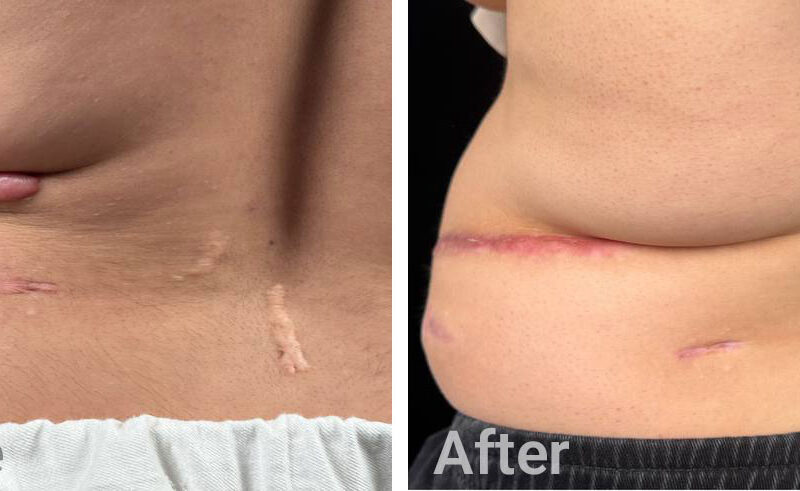
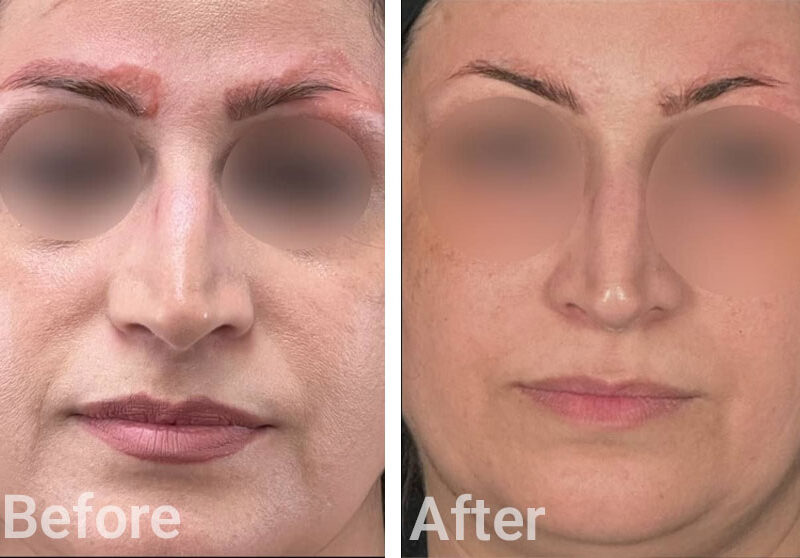
A scar is the natural result of the skin’s healing process following injuries such as surgery, burns, trauma, acne, or deep wounds. The appearance and severity of a scar depend on several factors, including the depth of the injury, the location of the wound, an individual’s genetic predisposition, and the quality of the healing process. Scars are classified into several types, including atrophic scars (depressed scars), hypertrophic scars (raised scars confined to the original wound), keloid scars (excessive scar tissue that extends beyond the boundaries of the original injury), burn scars, and surgical scars. Atrophic scars are further categorized into ice pick, boxcar, and rolling scars, which are most commonly seen following acne. Thanks to advances in dermatologic and regenerative treatments, the appearance of many scars can now be significantly improved. The choice of treatment depends on the type of scar, its location, and each patient’s individual clinical condition.
A keloid is a benign but abnormal type of scar that develops as a result of excessive collagen production during the wound-healing process. Unlike normal scars, keloids grow beyond the boundaries of the original injury and extend into the surrounding healthy skin. They typically appear as raised, firm, smooth, and shiny lesions that may be pink, red, brown, or darker than the surrounding skin. Keloids are often associated with symptoms such as itching, tenderness, pain, or discomfort.
Keloids may develop after surgery, burns, cuts, vaccinations, ear piercing, acne, or even minor skin injuries. They most commonly occur on the chest, shoulders, upper back, neck, and earlobes. Individuals with a genetic predisposition and those with darker skin tones are at a higher risk of developing keloids.
Diagnosis is usually based on clinical examination. Treatment is tailored according to the size, location, and duration of the lesion. Because keloids have a high recurrence rate, combination therapy generally provides better long-term outcomes than a single treatment modality.
Early diagnosis and prompt treatment can help prevent further enlargement of the lesion and improve cosmetic and functional results. The most appropriate treatment plan should be determined by a dermatologist based on the individual characteristics of each patient.